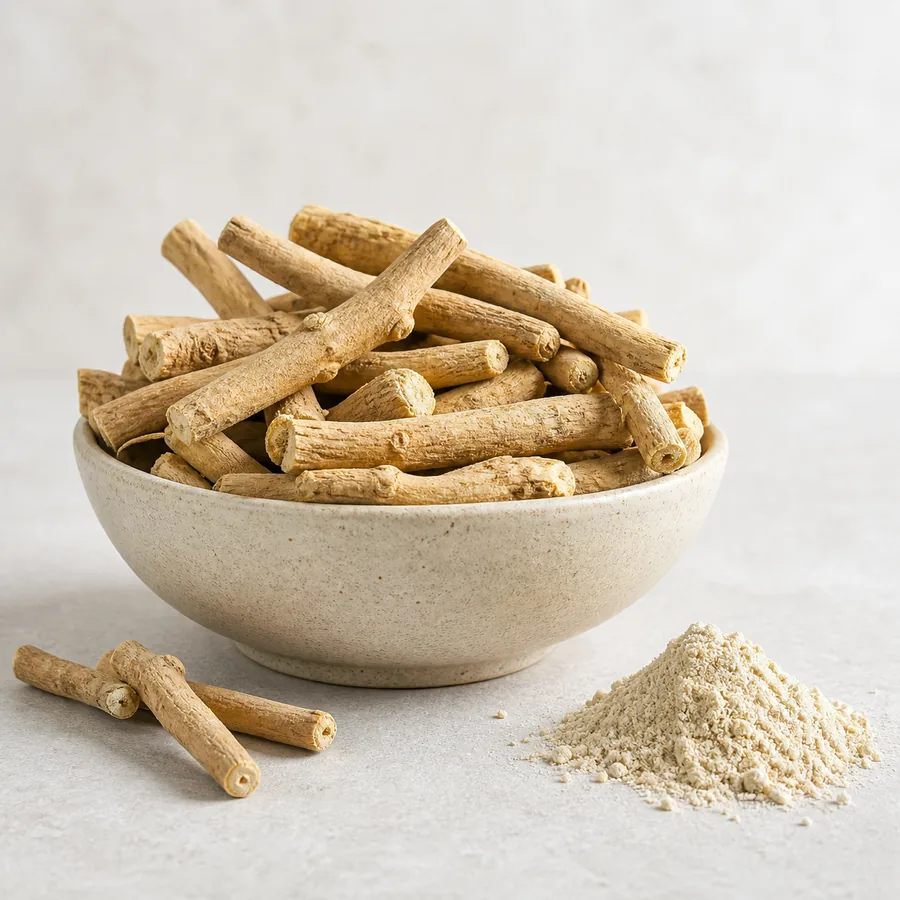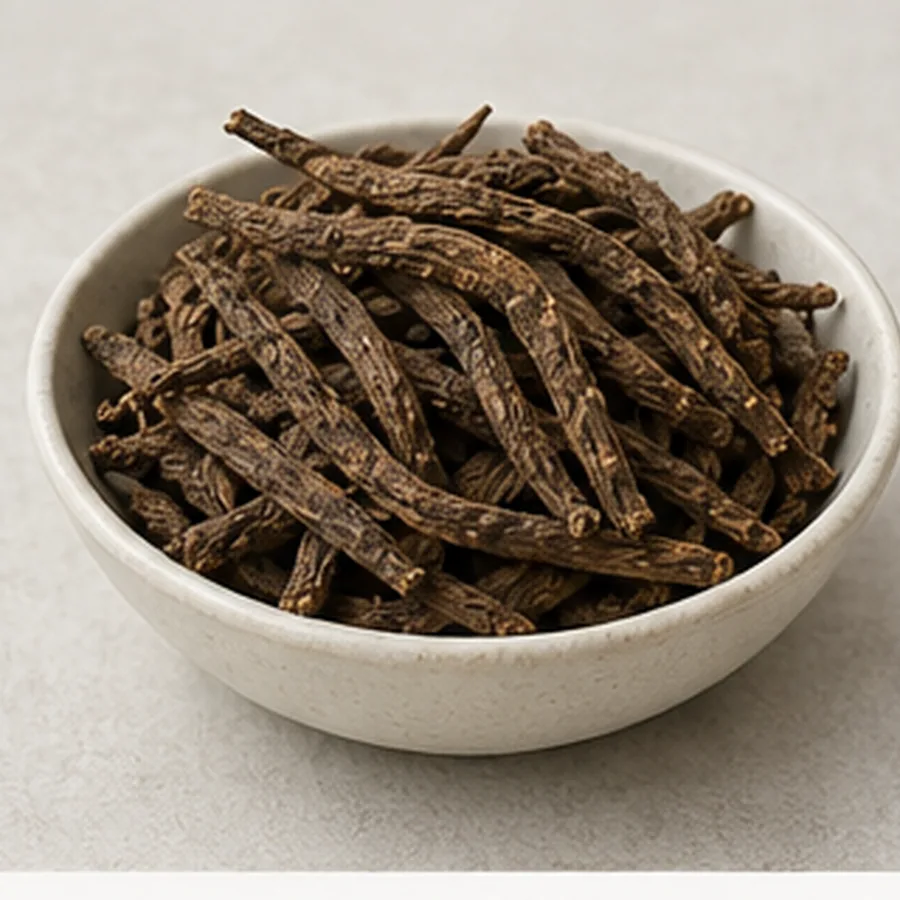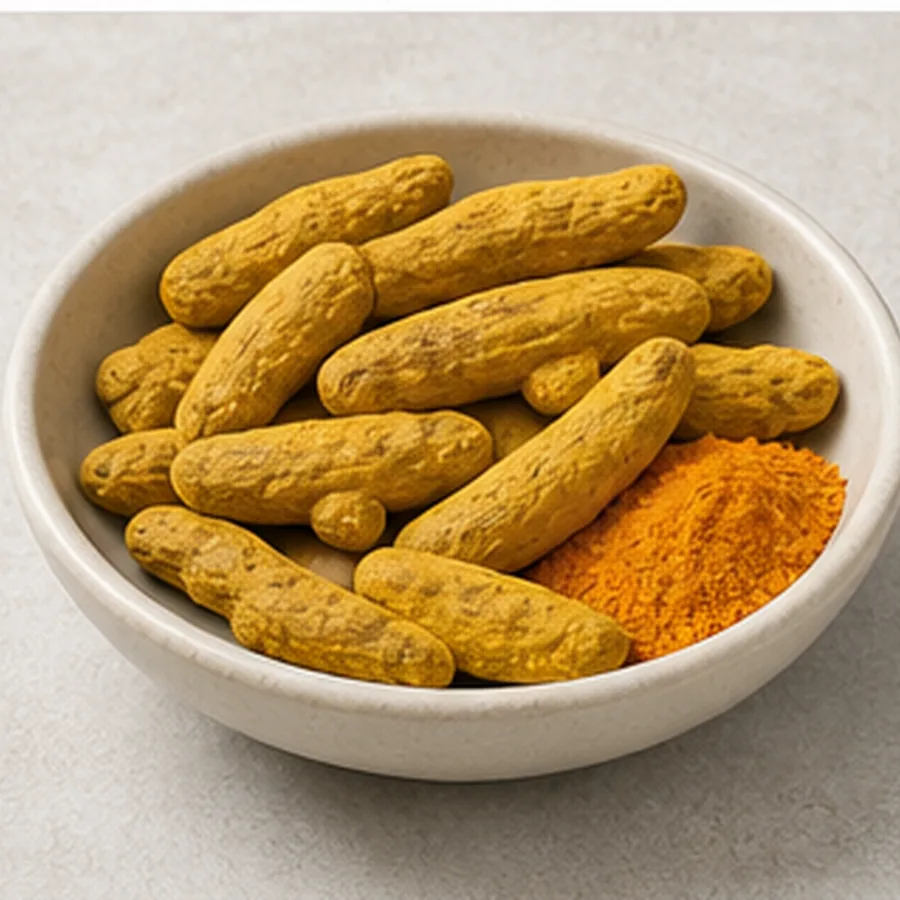
Make identity and specification unambiguous
Herbal raw materials can be vulnerable to confusion between related species, common names, plant parts, and trade forms. The purchase requirement should use the identity accepted by the buyer's quality system and state the plant part, physical form, preparation, and any pharmacopoeial or internal specification that applies.
A catalogue description is not a release specification. Before sourcing begins, both sides should understand the identification method, acceptance criteria, and document expectations. Where good agricultural and collection practice is relevant, the buyer should define what evidence must be reviewed rather than assuming a general origin statement is sufficient.
- Accepted botanical identity and plant part
- Applicable monograph or internal specification
- Required physical form and processing limits
- Identity method and acceptance criteria
Define sampling, testing, and records before dispatch
A certificate is only useful when it is connected to the supplied lot, the agreed parameters, and a clear sampling and testing route. The buyer should state whether testing must be performed by a specific laboratory, whether methods are prescribed, and which original records or summaries are required.
Testing may include identity, foreign matter, moisture, microbiology, residues, heavy metals, aflatoxins, or other material-specific parameters. The correct set depends on the ingredient, source, process, intended use, and applicable rules. This guide does not substitute for a pharmaceutical quality or regulatory assessment.
- Batch and sample identification
- Test parameters, limits, and methods
- Laboratory and report-format expectations
- Retention samples and handling of non-conformance
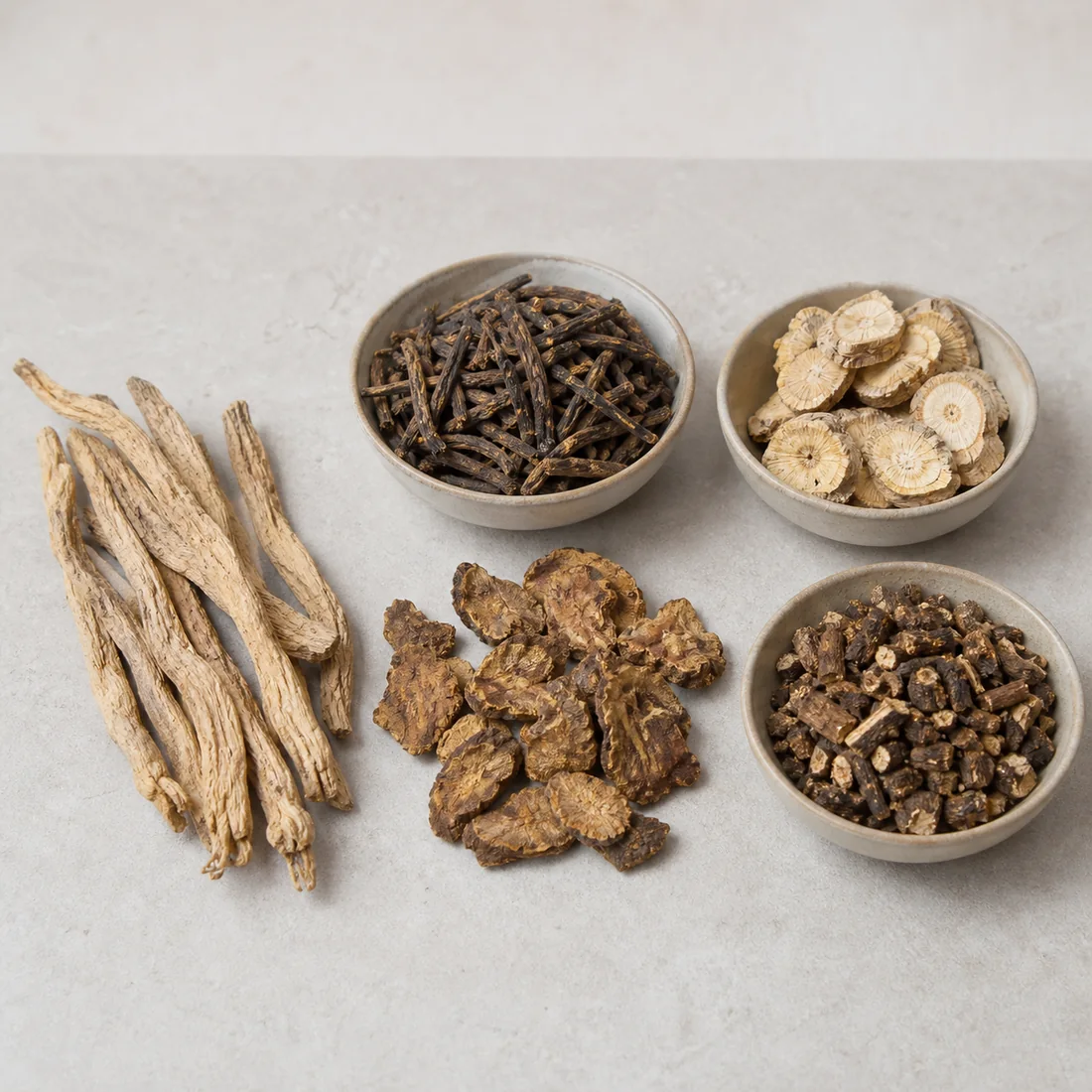
Review roots and rhizomes with a defined specification in hand.
Use the catalogue to identify possible materials, then share the quality requirements that govern evaluation.
Explore roots & rhizomes →Be precise about what the supplier is responsible for
Responsibilities should be visible from the start. The supplier may coordinate sourcing, cleaning, sorting, drying, cutting, milling, packing, and arranged testing. The pharmaceutical manufacturer or responsible buyer controls qualification, validation, regulatory compliance, intended use, final testing, and batch release within its own quality system.
This boundary is not a weakness; it prevents vague promises. It also helps both sides identify what must be documented, what may be subcontracted, how changes are communicated, and when a fresh approval is required.
- Approved processing and subcontracted activities
- Packing and transport conditions
- Change-notification expectations
- Buyer-controlled receipt, review, and release
Three working takeaways.
- Procure against an approved identity and specification, not a catalogue name.
- Connect every test record to the correct sample, method, and lot.
- Define supplier and buyer responsibilities without blurring regulatory accountability.
Product suitability, permitted use, specifications, testing, and documentation should be confirmed against the intended application, destination market, buyer quality system, and current lot.