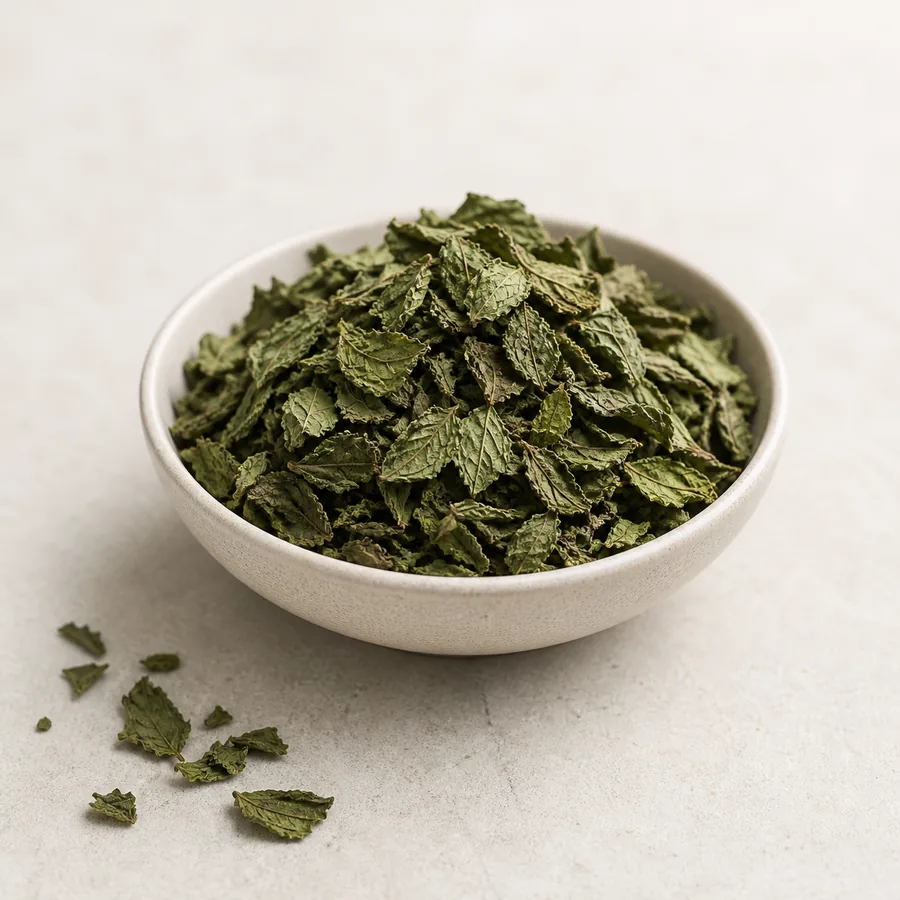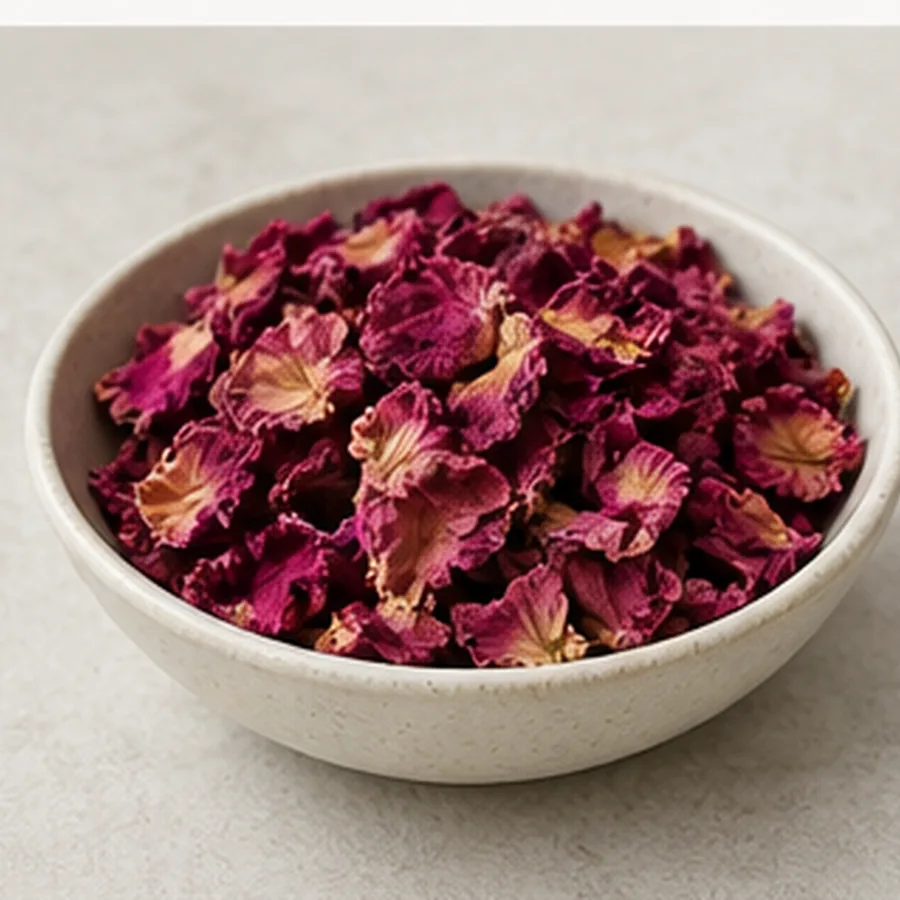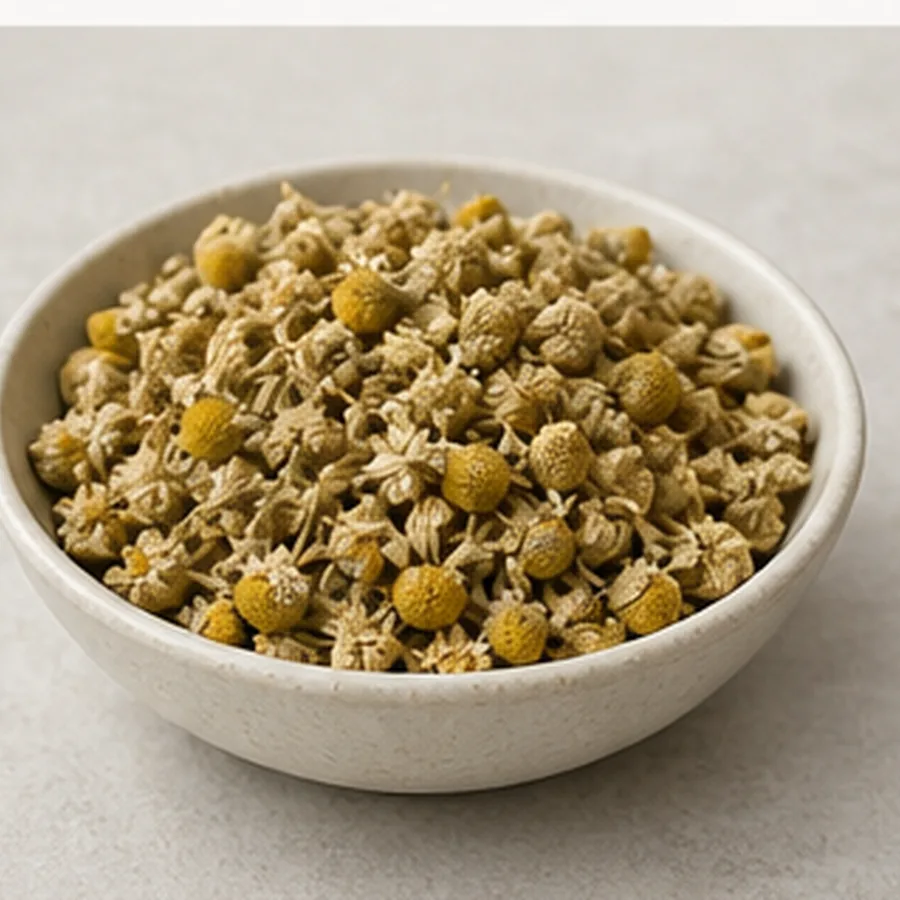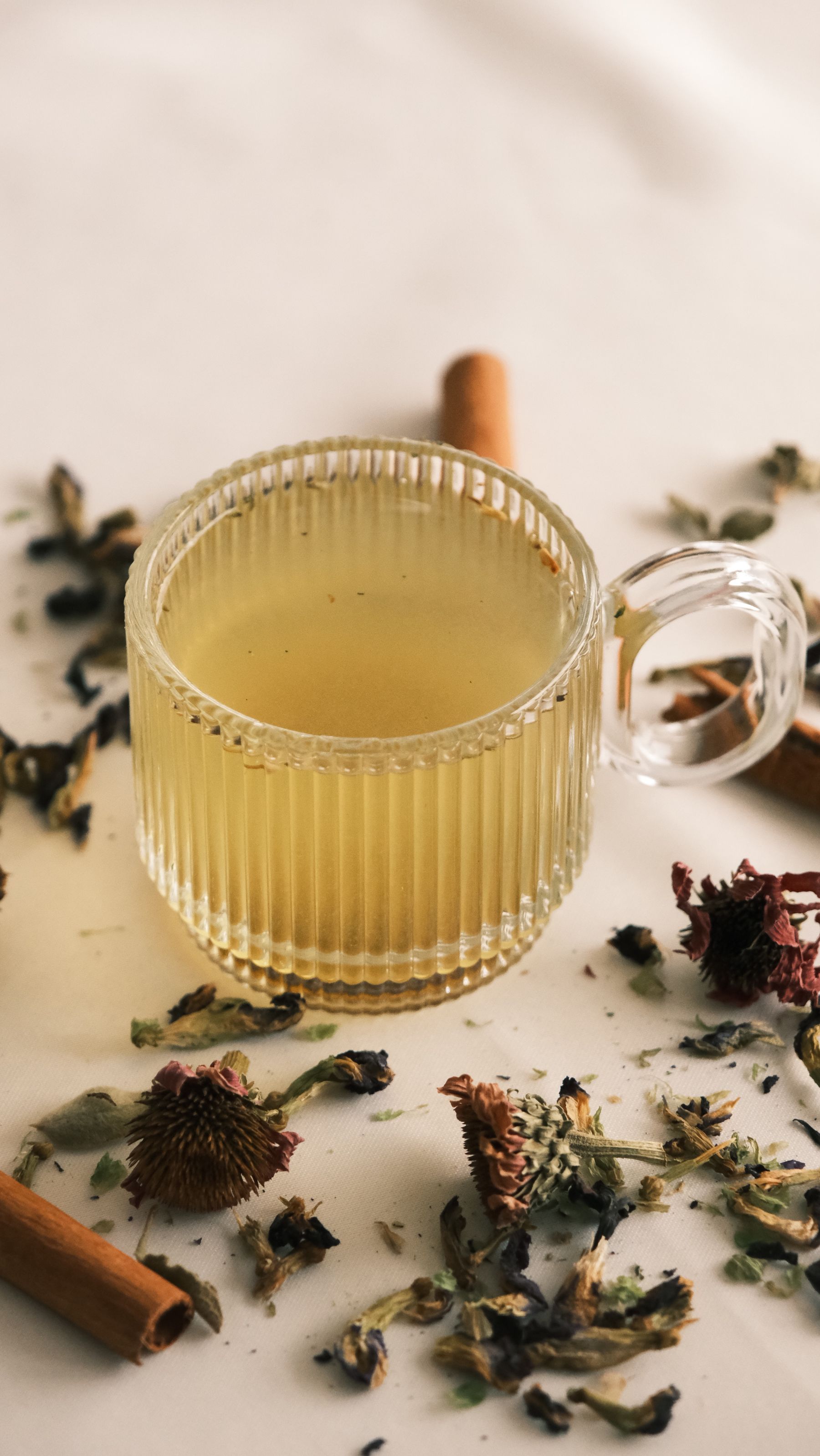
Write the sensory brief before choosing the botanical
A useful infusion brief describes what the drink should feel like: delicate or assertive, floral or herbaceous, bright or earthy, clear or richly coloured. The botanical is then selected and dosed to serve that experience. A material can look impressive in a bowl and still produce a weak, harsh, cloudy, or unbalanced cup.
Evaluate samples using a repeatable brewing method. Record dose, water temperature, time, vessel, and filtration. For blends, test the complete formula because one material can dominate or disappear when combined with others.
- Target aroma, flavour, colour, and finish
- Dose and brewing method
- Single-ingredient or blend role
- Hot, cold, foodservice, or packaged application
Treat cut size as a formulation decision
Whole flowers and leaves offer visual character, while a controlled tea cut can improve blending, dosing, packing, and extraction. Roots and denser materials may need a smaller cut or longer brewing method. Excess fines can affect clarity, dust, and filtration.
Ask for a form that suits the packing line and consumer format, whether loose leaf, sachet, foodservice pack, or another system. Confirm cleanliness and foreign-matter expectations, then review whether the supplied lot stays within an agreed visual and sensory range.
- Whole, cut, crushed, or buyer-defined preparation
- Expected fines and sieve range where relevant
- Compatibility with the packing system
- Visual and sensory acceptance reference
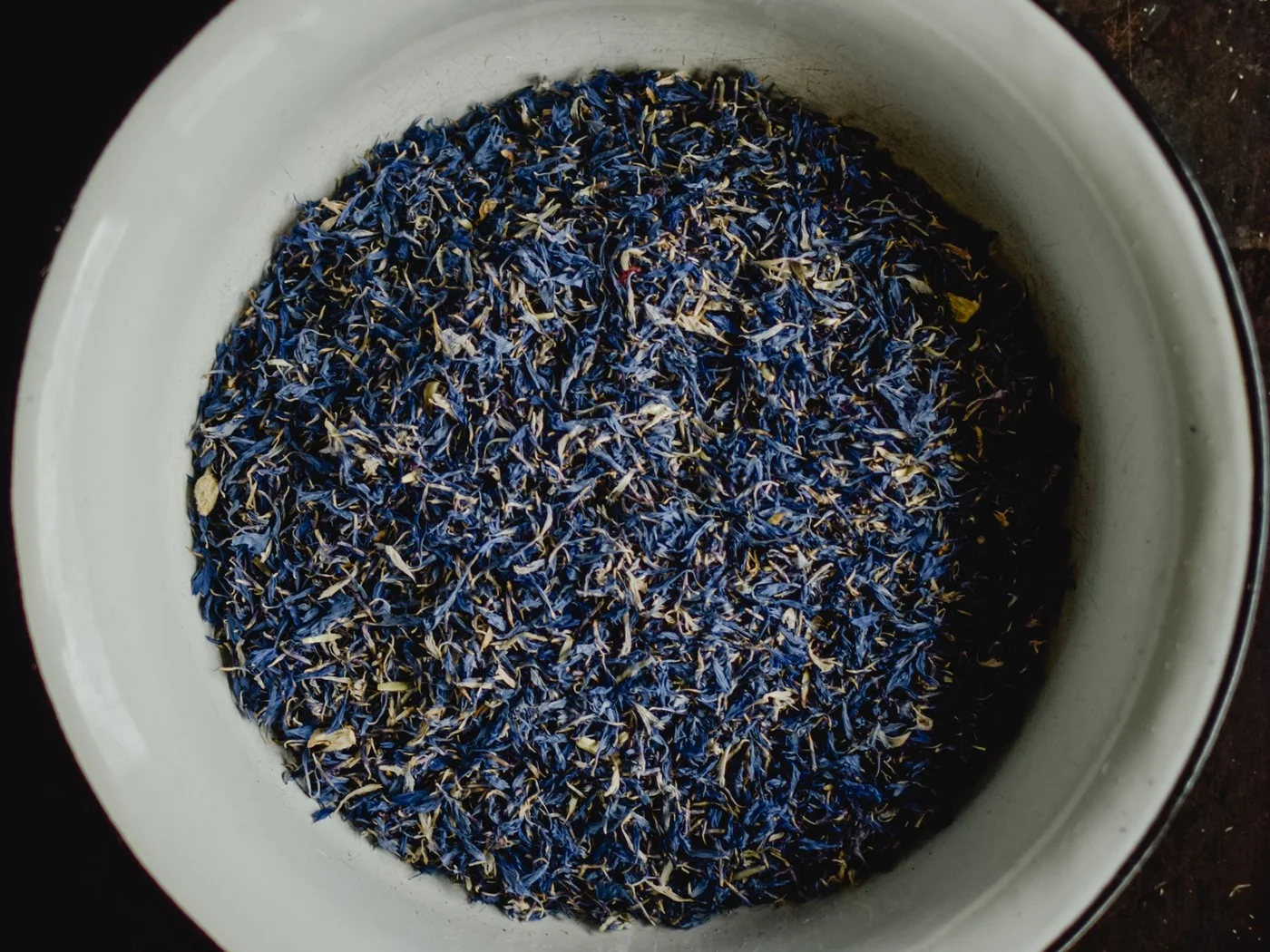
Explore flowers and petals selected for the cup.
Compare whole flowers and petals, then discuss tea cut, blend format, and quantity.
Explore flowers & petals →Protect aroma from source to the final pack
Aromatic botanicals can lose character through moisture, heat, light, air, and repeated opening. Bulk packaging should protect the material during storage and transit, while the buyer's own receiving and decanting process should avoid undoing that protection.
Seasonal flowers and leaves also need forward planning. Share forecast volumes, blend launch dates, and expected reorder cycles. If the visual identity of a blend depends on one seasonal flower, discuss stock and an approval plan before the product reaches market.
- Moisture- and aroma-protective packing
- Cool, dry storage and clean handling
- Forecast by launch and reorder cycle
- Reapproval plan for seasonal variation
Three working takeaways.
- Approve the brewed cup, not only the dry sample.
- Specify cut size around extraction, filtration, and packing.
- Plan storage and seasonal continuity before launch.
Product suitability, permitted use, specifications, testing, and documentation should be confirmed against the intended application, destination market, buyer quality system, and current lot.